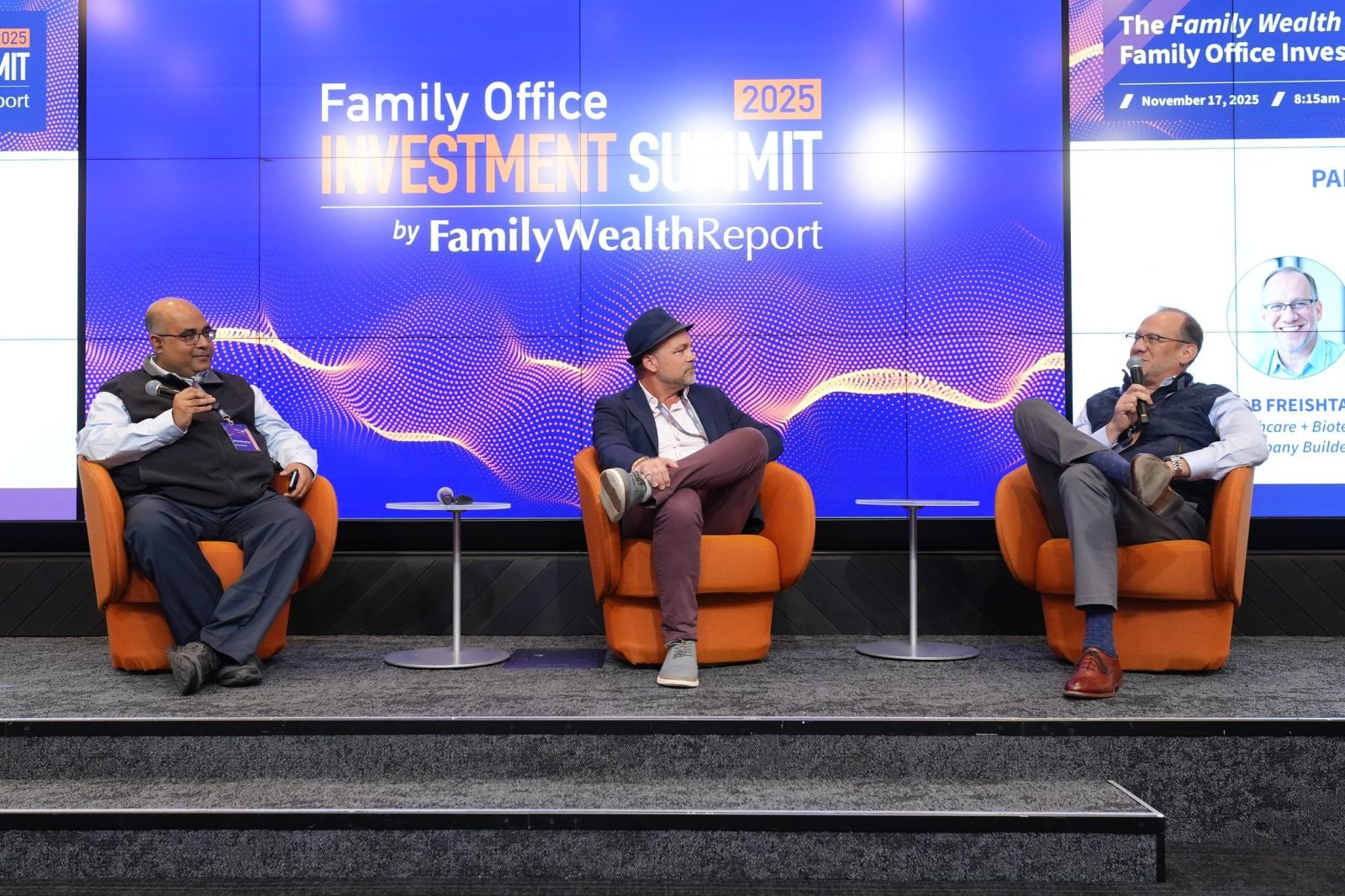
The following article is from Bibhash Mukhopadhyay, who was the moderator for the panel "Doing Well Through Doing Good: Investing in Rare Disease Drugs" at the at the 11th Family Wealth Report Family Office Investment Summit 2025. Mukhopadhyay is an asset manager and biotech investor. He spoke alongside Casey McPherson and Rob Freishtat. Freishtat is a healthcare and biotech company builder; McPherson is founder of AlphaRose Therapeutics.
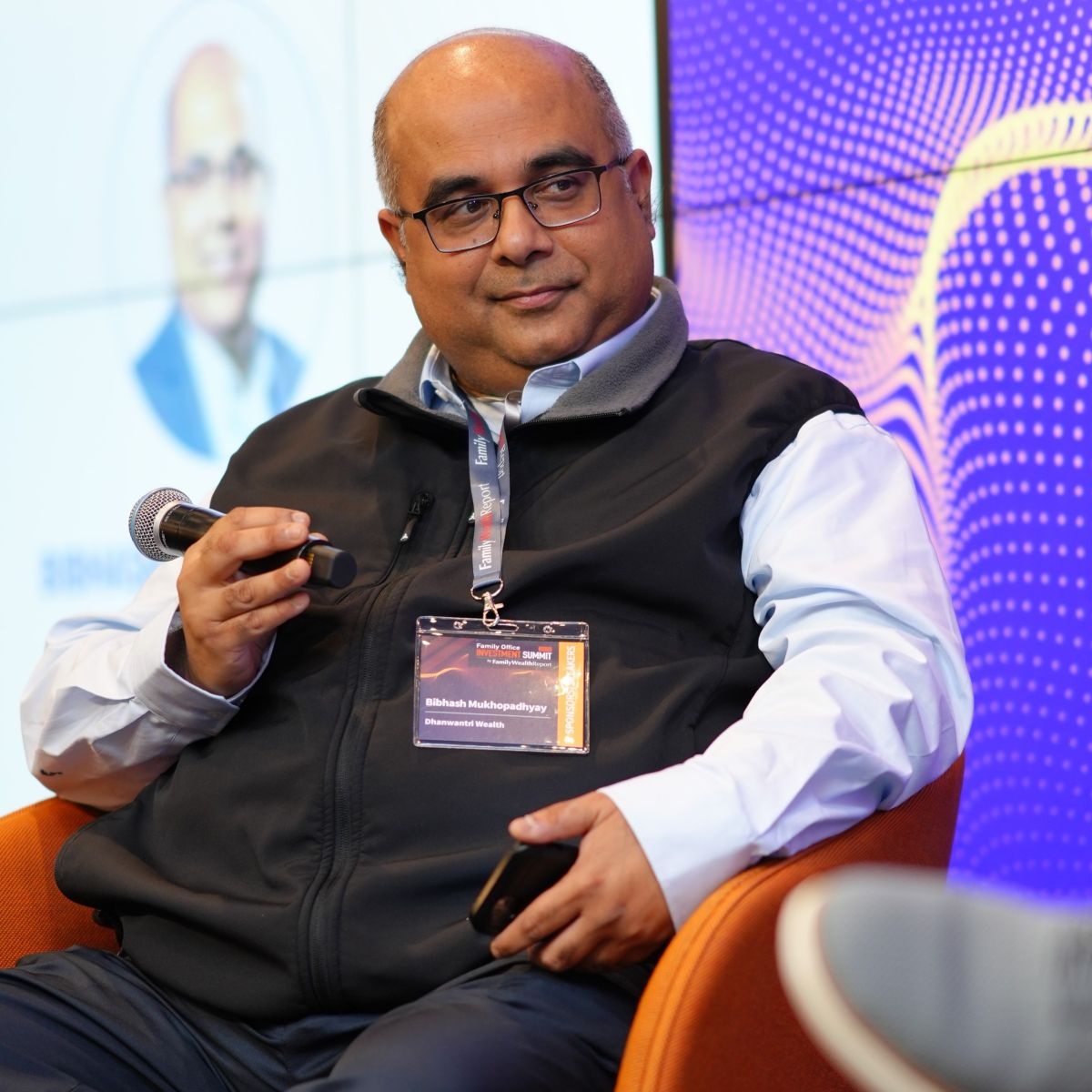
Bibhash Mukhopadhyay
Investment decisions for family offices and ultra-high net worth individuals are driven by long-term conservation of generational wealth protecting it in times of uncertainty and optimizing investment performance in times of economic expansion using standardized tools of capital allocation and portfolio construction.
However, what is unique to this group are: First, having the luxury of providing “patient capital” with higher tolerance to risk and access to liquidity in longer term and second, having the luxury of providing “impact capital” in areas of particular interest or passion to the principals of the FO’s.
Patient capital is essential in certain asset classes, such as private equity, and particularly the venture slice of private equity, where category defining companies need a decade or even more to achieve breakout performance. Impact capital imparts a different dimension – let’s call it “Return on Mission”– for measuring investment performance beyond pureplay “Return on Investment” metric.
We believe that the sector most amenable to this is healthcare, where investment in development of new medicines for patients can yield the best “double bottom-line.” Rare and ultra-rare diseases that afflict small groups of patients, often in children and have genetic root causes, are ignored by the pharmaceutical industry because they are considered not profitable. It does not have to be.
The panel discussion focused on financing mechanisms that enable creating a commercially viable company developing drugs for a series of such rare diseases by enabling access to infrastructure that runs clinical trial at a fraction of the cost and time.
Casey McPherson , who started and runs Alpha Rose Therapeutics, named after his daughter who has a genetic ultra-rare disease, is building the company to be a “vessel” for commercializing targeted therapies for multiple diseases. He shared his powerful personal story about what compelled him to start the company.
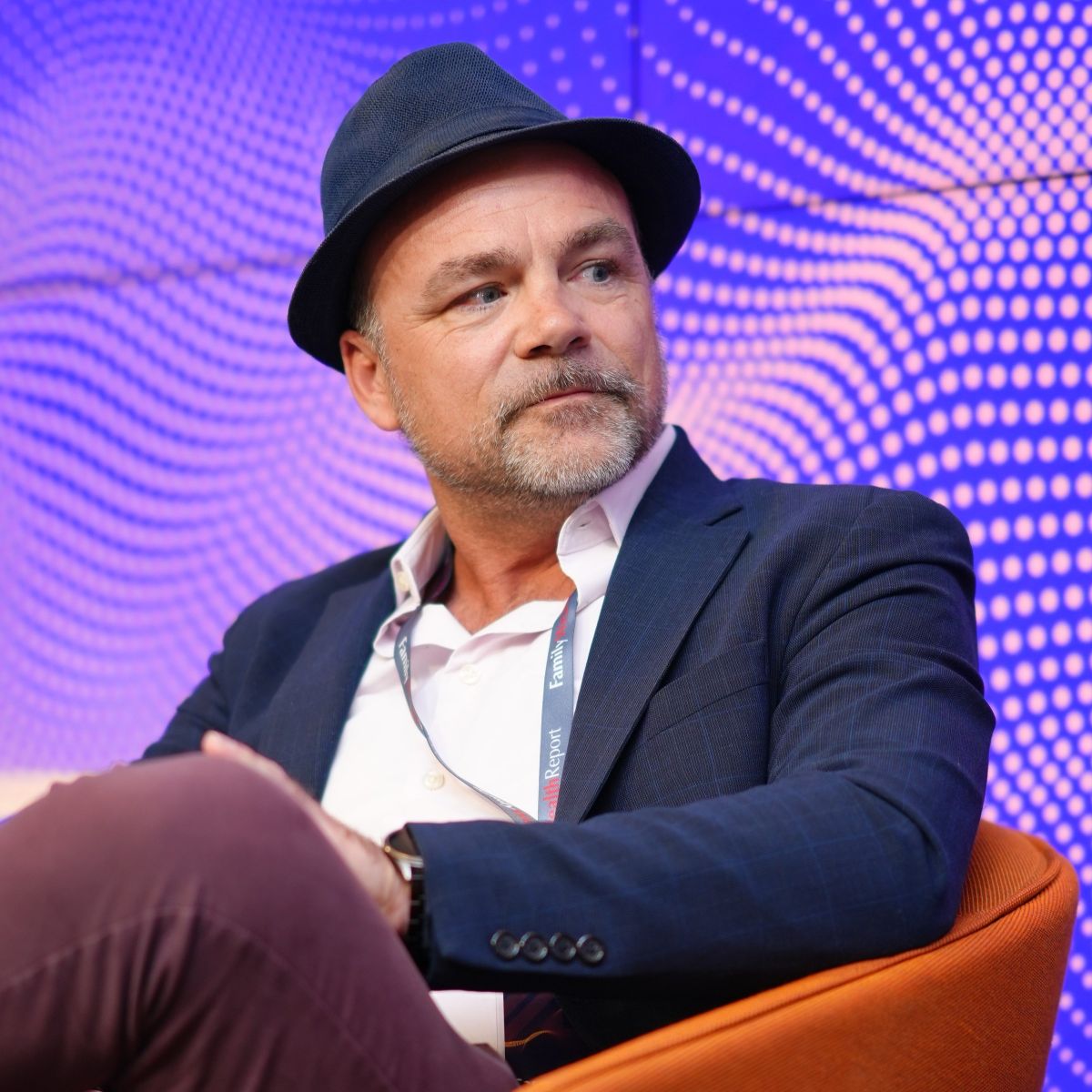
Casey McPherson
Rob Freishtat , who has been a physician and clinical drug developer, shared the model he is trying to build in SapieNEST which will be able to run clinical trials more efficiently and at a fraction of the cost it normally takes the pharmaceutical industry. Layer on top of these two innovations, the ability to finance these projects though a fund mechanism that efficiently allocates capital to projects to underwrite very specific and well-defined technical risks, and you can come up with a very powerful convergence of infrastructure, capability and capital to create new medicines in a commercially viable stand-alone model.
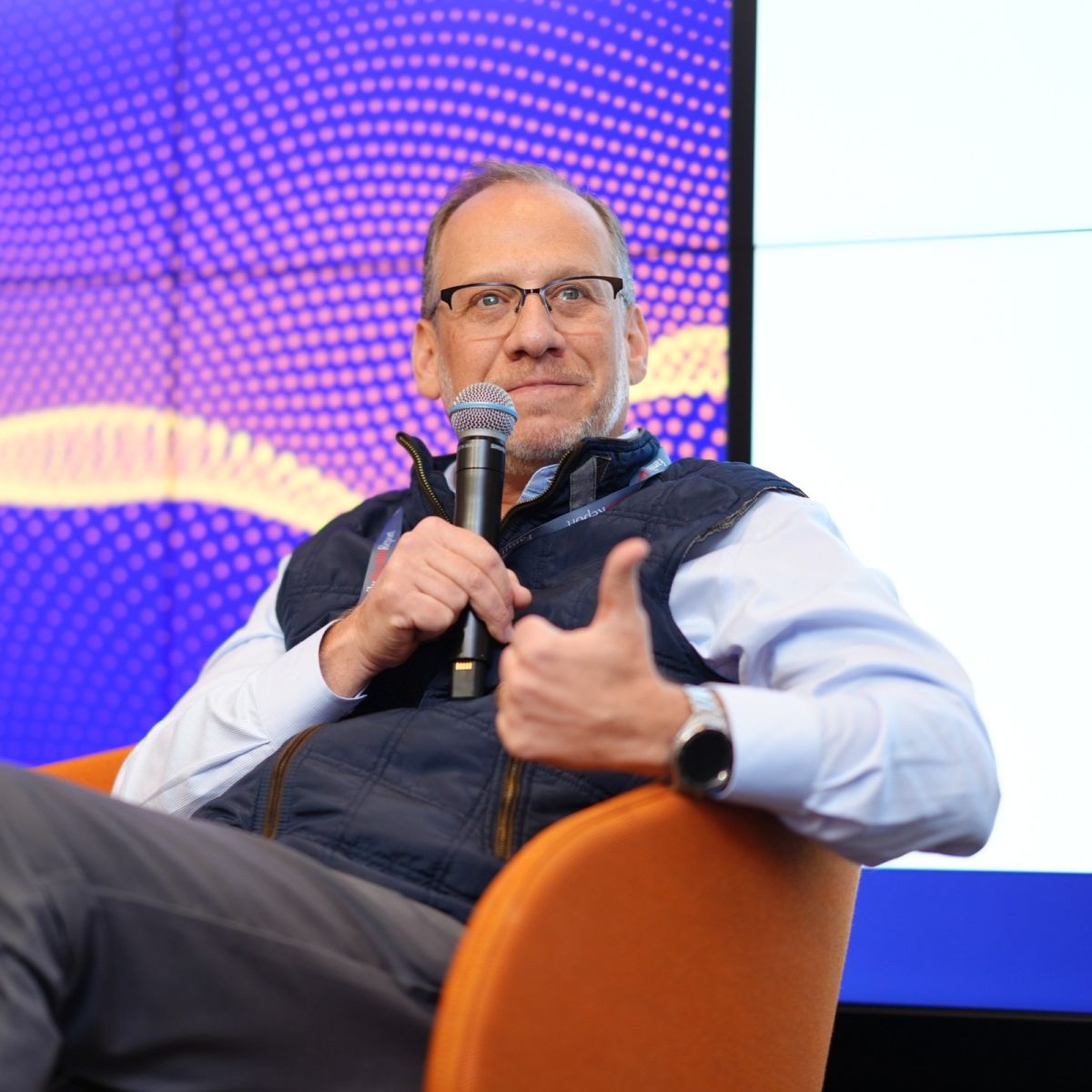
Rob Freishtat
I espoused for such a double-bottom-line fund. With Casey and Rob, I am in process of building such an evergreen fund vehicle where capital from family offices can be aggregated through both strategic philanthropic contributions and investment contributions, while being simultaneously focused on the mission, being disciplined on the investment strategy all the while being cognizant of various tax and charitable needs of the endowments.
I emphasized how important the components of the ecosystem are in providing the solution to the cost and time component of current model, and therefore, the viability of the new model.
If SapieNEST can run a clinical trial for $20 million, instead of what takes $100 million, for example, due to inherent inefficiencies in clinical trial operations, then the quanta of capital investment required and therefore of investment outcome required to make the investment profitable for a five times multiple return on investment, reduces from $500 million to $100 million.
If Alpha Rose can commercialize 20 products for 20 diseases in two years, for example, as opposed to two products for two diseases in two years, then 10 times more diseases and patients can be ameliorated of disease burden.
Putting smiles on kids and their parents’ faces by saving their lives while concurrently building a profitable business is the true north star – hence “doing well through doing good”.
The panel ended with an appeal to family offices’ UHNW individuals and wealth managers to participate in such a fund and live the benefits of their double bottom-line.